


V Shape Treatment for Chubby Cheeks: What Are Your Options?

Fuller cheeks can make the face look youthful and soft, but for some people, excess fullness in the lower face may create a rounder, heavier, or less defined appearance. This is one reason many patients consider v shape treatment to create a slimmer-looking face, sharper jawline, and more balanced facial contour.
However, chubby cheeks do not always come from the same cause. Some people naturally have larger buccal fat pads, while others may have enlarged jaw muscles, subcutaneous facial fat, water retention, skin laxity, or weak chin structure. Because of this, the best treatment depends on identifying what is actually causing the facial fullness.
At AVA Clinic, facial contouring begins with a professional assessment to understand your facial anatomy, skin quality, proportions, and treatment goals before recommending a suitable plan.
Why Do Some People Have Chubby Cheeks?
Chubby cheeks can be caused by genetics, lifestyle, facial structure or age-related changes. In many cases, more than one factor contributes to the appearance of a rounder face. Before choosing any v shape treatment, it is important to understand whether the concern is caused by fat, muscle, skin laxity, water retention or facial proportions.
Buccal Fat Pads
Buccal fat pads are natural fat compartments located deep within the cheeks. Some people naturally have larger buccal fat pads, which can create a rounder lower-face appearance even when their overall body weight is healthy. This type of fullness is often genetic and may not respond much to diet or exercise.
Enlarged Masseter Muscles
The masseter muscles are the chewing muscles located at the sides of the jaw. When these muscles are naturally strong or enlarged due to teeth grinding, jaw clenching or frequent chewing, the lower face may appear wider or more square. In this case, the issue is not cheek fat, but muscle bulk.
General Facial Fat
Weight gain can increase fat in the face, including the lower cheeks and jawline. This may soften facial definition and make the face look heavier. In these cases, lifestyle changes may help, but stubborn areas may still need targeted treatment.
Skin Laxity and Ageing
As collagen and elastin decline with age, the cheeks may begin to sag downward. This can create heaviness around the lower face and early jowls. When this happens, a slimming-only approach may not be enough. Lifting and tightening may be more suitable.
Water Retention
Poor sleep, high sodium intake, alcohol, dehydration and hormonal fluctuations can cause temporary facial puffiness. If cheek fullness changes from day to day, lifestyle and fluid retention may be contributing factors rather than permanent facial fat.
Masseter Botox for a Slimmer Jawline
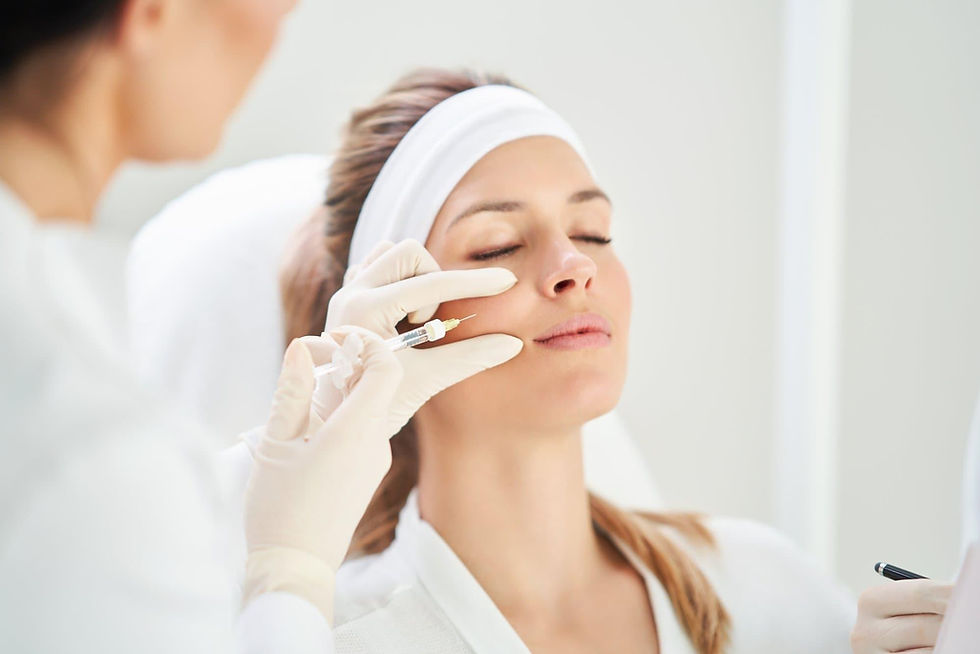
If the lower face appears wide because of enlarged jaw muscles, masseter Botox may be an effective v shape treatment option. Botox is injected into the masseter muscles to relax them. Over time, the muscles gradually reduce in size, creating a softer and slimmer lower-face contour.
This treatment may be suitable for people with a square jawline, jaw clenching, teeth grinding or a lower face that looks wider than the upper face. Results usually appear gradually within four to six weeks, with continued improvement as the muscle relaxes.
The goal is not to weaken chewing function excessively, but to reduce overactive muscle bulk while preserving natural movement. This is why correct dosage and placement are important. At AVA Clinic’s aesthetic treatments page, patients can explore doctor-led options such as botulinum toxin, facial fillers, V-face sculpting, skin boosters, thread lifts and HIFU.
Fat-Dissolving Injections for Localised Fullness
For selected patients with mild pockets of fat around the lower cheeks, jawline or under the chin, fat-dissolving injections may be considered. These treatments work by breaking down localised fat cells, which are then naturally processed by the body over time.
This type of v shape treatment may help refine the lower face when fullness is caused by small fat deposits rather than muscle or sagging skin. However, it is not suitable for every patient. If the face is already loose or lacks support, reducing fat without tightening may make the skin look less firm.
A doctor should assess whether fat reduction is appropriate or whether another option, such as HIFU, fillers or thread lift, would provide better balance.
When Fat Reduction May Be Suitable
Fat-dissolving treatment may be considered if you have:
Small pockets of localised facial fat
Under-chin fullness
Lower-face heaviness caused by fat
Good skin elasticity
Realistic expectations about gradual improvement
It may not be suitable if your fullness is caused mainly by muscle, swelling, loose skin or facial structure.
Dermal Fillers for Better Facial Balance
In some cases, cheeks may not actually be too full. Instead, the face may lack structure. A weak chin, flat cheekbones or poor jawline projection can make the face look rounder than it really is.
Strategic dermal filler placement can improve facial proportions and create the appearance of a slimmer face. For example, chin filler can elongate the lower face, jawline filler can improve definition, and cheekbone filler can create better upper-face support.
At AVA Clinic, aesthetic treatments are delivered under medical guidance, with options including facial fillers and contouring treatments designed to support natural-looking results. This approach is especially useful when the goal is natural harmony rather than aggressive slimming.
How Fillers Can Create a V-Shaped Look
Fillers may help by:
Improving chin projection
Sharpening jawline definition
Supporting cheekbone structure
Balancing facial proportions
Creating the illusion of a slimmer lower face
For the right patient, adding structure can sometimes create a more refined look than simply removing volume.
HIFU and Skin Tightening Treatments
When cheek heaviness is caused by sagging skin or early ageing changes, skin tightening may be more suitable. HIFU, or High-Intensity Focused Ultrasound, uses focused ultrasound energy to stimulate collagen production in deeper tissue layers.
As collagen rebuilds, the skin may become firmer and more lifted. This can help improve lower-face heaviness, mild jowls and softened jawline definition. Radiofrequency microneedling may also be considered for patients with skin laxity, enlarged pores or uneven texture.
As a v shape treatment, HIFU is often suitable for people who want gradual tightening without surgery. It does not remove large amounts of fat, but it may help improve firmness and support a more lifted lower-face contour.
The NHS cosmetic procedures guide advises people considering cosmetic procedures to understand the risks, check practitioner qualifications and make informed decisions before proceeding. This is especially important when choosing non-surgical contouring treatments.
Thread Lift for Cheek Contouring
A thread lift may be recommended when chubby cheeks are linked to drooping tissue rather than fat. Dissolvable threads are inserted beneath the skin to gently reposition sagging tissue upward while stimulating collagen production.
This can create a lifted and more sculpted lower face. It may be suitable for patients with drooping cheeks, lower-face heaviness, mild to moderate skin laxity or early jowls.
As a v shape treatment, thread lifting is often used when the face needs repositioning rather than fat removal. It may also be combined with fillers, HIFU or Botox for a more complete result.
Who May Benefit from Thread Lift?
Thread lift may be suitable if you notice:
Mild to moderate cheek sagging
Early jowls
Lower-face heaviness
Reduced jawline definition
Drooping tissue rather than pure fat fullness
Because thread placement affects safety and results, it should be performed by trained medical professionals.
Which V Shape Treatment Is Best for You?
The best v shape treatment depends on the true cause of chubby cheeks. If the issue is enlarged masseter muscles, Botox may be suitable. If the concern is localised fat, fat-dissolving injections may help. If the face lacks structure, fillers may create better balance. If the issue is sagging skin, HIFU, RF microneedling or thread lift may be more appropriate.
Choosing the wrong treatment can lead to disappointing results. For example, reducing fat when the real concern is jaw muscle enlargement may not create the desired V-shape. Similarly, slimming an already unsupported face may make it look more tired.
A proper consultation is the safest way to select the right option. AVA Clinic’s About Us page highlights its certified doctors, personalized treatment planning and focus on medical science, safety and facial anatomy.
AVA Clinic’s Approach to V Shape Treatment
At AVA Clinic, patients can explore non-surgical options such as fillers, Botox, thread lift, HIFU, laser treatments and skin rejuvenation. For chubby cheeks, the treatment plan may include one or more methods depending on the patient’s anatomy.
AVA Clinic focuses on personalised facial assessment rather than one-size-fits-all treatment. The aim is to refine your natural features while maintaining balance, softness and proportion.
A personalised v shape treatment plan may consider:
Facial width and jaw muscle size
Cheek fullness and fat distribution
Skin laxity and collagen quality
Chin and jawline projection
Ageing pattern and facial support
Desired level of contouring
This ensures that treatment is guided by facial structure, not just trends.
Frequently Asked Questions
1. What causes chubby cheeks?
Chubby cheeks may be caused by genetics, buccal fat pads, enlarged masseter muscles, weight gain, water retention, skin laxity or facial bone structure.
2. Can I naturally reduce chubby cheeks?
If fullness is related to body fat or bloating, weight management, hydration, reducing sodium, better sleep and regular exercise may help. Genetic facial fullness may not respond as much.
3. What is the best non-surgical V-shape treatment?
The best option depends on the cause. Masseter Botox may help enlarged jaw muscles, HIFU may help skin laxity, and fillers may improve facial balance.
4. Does masseter Botox create a V-shaped face?
Yes, it can help slim the lower face by relaxing enlarged jaw muscles, creating a softer and more tapered facial contour over time.
5. Is v shape treatment safe?
V shape treatment is generally safe when performed by qualified and experienced aesthetic doctors. However, every procedure has risks, so proper assessment is important.
Conclusion
Chubby cheeks can be caused by many factors, including buccal fat pads, enlarged jaw muscles, facial fat, ageing, water retention or weak facial structure. Because each cause requires a different approach, the best v shape treatment should always begin with a professional assessment.
Masseter Botox, fat-dissolving injections, dermal fillers, HIFU, RF microneedling and thread lifts can all help refine facial contours in different ways. The goal is not to remove all softness from the face, but to create a balanced, elegant and natural-looking contour.
To find out which option suits your facial structure, visit AVA Clinic or Book an Appointment to arrange a personalised consultation.


Comments