


Top Aftercare Tips For Post Nose Thread Lift Procedure | Ava Clinic
- 4 days ago
- 6 min read
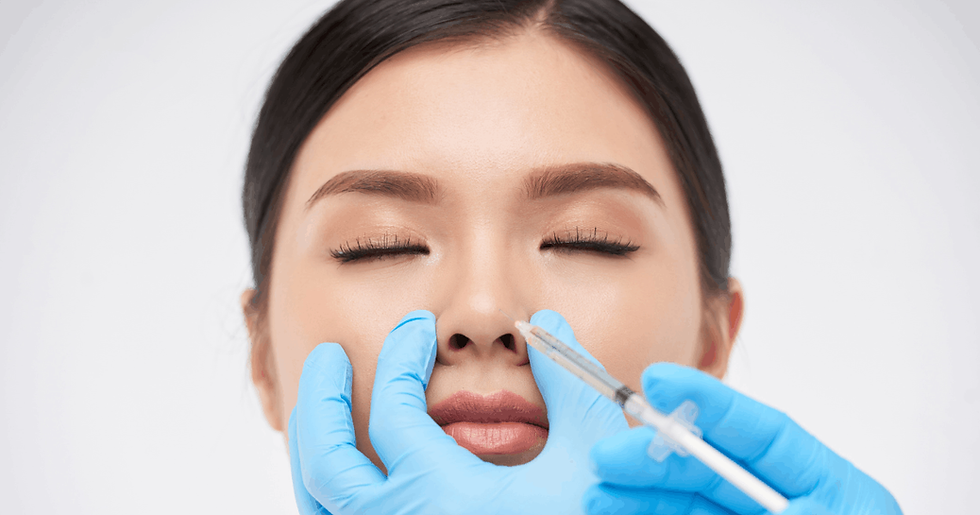
A nose thread lift is a popular non-surgical nose enhancement treatment for people who want a sharper bridge, improved nose definition, and a more balanced facial profile without surgery. In Malaysia, it is often chosen as a “lunchtime” aesthetic procedure because the treatment is quick, involves minimal downtime, and does not require surgical incisions.
However, recovery still matters. Although a nose thread lift is less invasive than rhinoplasty, fine absorbable threads are placed under the skin to create structure and support. Your aftercare habits in the first few days and weeks can affect swelling, comfort, healing, and how well the threads settle.
At AVA Clinic, nose threadlift is offered as a non-surgical rhinoplasty option designed to create a well-defined result with minimal downtime and no spread. With the right care, patients can support a smoother recovery and maintain a sharper, more stable nose profile.
What to Expect After a Nose Thread Lift
After a nose thread lift, it is normal to experience mild swelling, tenderness, tightness or slight bruising around the nose. The tip of the nose may feel sore, especially when smiling, talking or making larger facial movements. Some patients may also feel a mild pulling or prickling sensation as the tissues adjust.
These effects usually improve gradually. Swelling may be more noticeable during the first 24 to 48 hours and often settles over the next few days. Residual tightness may continue for up to two weeks as the threads stabilise and the treated area heals.
Common temporary effects may include:
Mild swelling around the bridge or tip
Slight bruising near the entry point
Tenderness when touching the area
Tightness or pulling sensation
Mild discomfort during facial movement
The NHS cosmetic procedures guide advises people considering cosmetic procedures to understand what is involved, check practitioner qualifications and choose providers carefully. This is especially important for thread-based treatments, where hygiene, correct placement and safety matter.
Why Aftercare Is Important
A nose thread lift works by placing dissolvable threads beneath the skin to support the nasal bridge or tip. These threads act like a scaffold while also encouraging collagen activity over time. During the early recovery period, the tissues around the threads need time to settle.
Proper aftercare can help reduce swelling, minimise bruising, lower infection risk, protect thread placement and support longer-lasting results. Poor aftercare, such as rubbing the nose, sleeping face down or exposing the area to excessive heat too soon, may increase discomfort or affect the final contour.
Aftercare is not complicated, but it requires consistency. Small habits in the first two weeks can make a meaningful difference to how your nose heals after treatment.
Sleep on Your Back With Your Head Elevated
Sleeping position is one of the most important aftercare steps after a nose thread lift. For the first week, try to sleep on your back with your head slightly elevated. This helps reduce swelling and prevents unnecessary pressure on the nose.
Avoid sleeping on your side or face down because direct pressure may affect comfort and thread stability during the early healing stage. If you tend to turn while sleeping, place pillows beside you to help keep your head and body in position.
Helpful sleeping tips include:
Use an extra pillow to elevate your head
Avoid pressing your nose against the pillow
Sleep on your back for the first few nights
Keep your bedding clean to reduce irritation risk
Avoid sleeping face down until your doctor says it is safe
This simple habit can help protect your results while the treated tissues settle.
Avoid Strenuous Exercise Temporarily
Although you may be able to return to office work or light daily activities quickly, avoid strenuous exercise for at least one week or as advised by your doctor. Heavy lifting, HIIT, intense cardio, swimming and exercises that involve straining can increase blood flow and worsen swelling or bruising.
Increased facial movement and pressure may also make the nose feel more tender. Light walking is usually acceptable, but avoid activities that make you sweat heavily or raise your body temperature too much.
This recovery period is temporary, but it gives your tissues time to stabilise after the nose thread lift procedure. Once the area has settled, your doctor can advise when it is safe to return to your normal fitness routine.
Cleanse Gently and Keep the Entry Point Clean
You can usually wash your face after treatment, but be gentle. Avoid scrubbing, rubbing, exfoliating or pulling the skin around the nose. Use a mild cleanser and pat the face dry softly with a clean towel.
The entry point is often near the nose tip, and it should be kept clean and dry as instructed by your clinic. In Malaysia’s humid weather, this is especially important because sweat, makeup and bacteria may irritate the area.
Avoid applying strong skincare products such as retinol, acids, scrubs or peeling products near the nose for the first few days unless your doctor says it is safe. Simple hydration and gentle cleansing are usually best during early nose thread lift recovery.
AVA Clinic’s aesthetic treatments page includes thread lifts, non-surgical rhinoplasty and other facial sculpting options under its physician-led aesthetic care services.
Avoid Facial Massage, Saunas, and Excessive Heat
For at least two to three weeks after a nose thread lift, avoid facial massages, nose extractions, aggressive facials, gua sha, facial rollers or any treatment that presses on the nose. Strong pressure may irritate the area or affect thread settling.
You should also avoid saunas, steam rooms, hot yoga, very hot showers and direct heat exposure during the early recovery phase. Heat may prolong swelling and increase sensitivity.
Things to avoid include:
Facial massage
Nose squeezing or pinching
Saunas and steam rooms
Hot yoga or intense heat exposure
Aggressive facials
Gua sha and facial rollers
Strong exfoliating skincare
Since thread placement depends on tissue support, avoiding unnecessary pressure and heat is an important recovery habit after a nose thread lift.
Avoid Heavy Glasses and Nose Pressure
If you wear heavy spectacles, consider switching to contact lenses for a few days if suitable. If you must wear glasses, try to make sure they do not rest heavily on the treated bridge.
Pressure from glasses may cause discomfort and may affect the soft tissue while the area is still healing. Lightweight frames may be more comfortable during recovery, but ask your doctor for advice based on your treatment area.
You should also avoid pinching, pressing or squeezing the nose. If you need to sneeze, try to do so with your mouth open to reduce pressure. If your nose runs, gently dab instead of rubbing. These small habits can help protect the contour after a nose thread lift.
How to Reduce Swelling and Bruising
Mild swelling and bruising are common after a nose thread lift, but several steps may help recovery feel smoother. A cold compress may be used if recommended by your doctor. Wrap it in a clean cloth and apply it around the treated area for short intervals. Do not press hard and do not place ice directly on the entry point.
Stay hydrated, as good hydration supports normal healing and circulation. Avoid alcohol for a few days because it may increase bruising and swelling. You may also be advised to avoid certain supplements that can increase bruising, such as vitamin E, ginkgo biloba, ginseng, garlic capsules or fish oil, unless prescribed by your doctor.
Do not stop any prescribed medication without medical advice. If you are unsure about supplements or medication before or after treatment, ask your doctor during consultation.
When to Contact Your Doctor
Most post-treatment effects are mild and temporary. However, you should contact your clinic if you notice severe pain, increasing redness, pus, fever, worsening swelling, significant asymmetry, a thread end poking through the skin or any symptom that feels unusual.
Early review helps your doctor manage concerns quickly and safely. This is especially important because the nose is a delicate area, and thread-based treatments require careful monitoring if symptoms do not improve as expected.
AVA Clinic’s About Us page highlights its doctor-led approach, certified medical team and focus on personalised care grounded in medical science and safety.
Frequently Asked Questions
1. How long does swelling last after a nose thread lift?
Most swelling improves within three to five days. Mild tightness or tenderness may continue for up to two weeks as the threads settle and the tissue heals.
2. Can I apply makeup after treatment?
It is usually best to wait at least 24 hours before applying makeup. Avoid the entry point near the nose tip to reduce irritation or infection risk.
3. Can I sneeze or blow my nose?
Try to avoid forceful nose blowing for the first week. If you need to sneeze, sneeze through your mouth to reduce pressure around the nose.
4. When will I see the final result?
You may see an immediate lift, but the final result is usually clearer after swelling settles. Many patients see a more refined outcome after a few weeks.
5. Why choose AVA Clinic for nose thread lift?
AVA Clinic provides doctor-led aesthetic care with personalised assessment, attention to facial balance and a focus on safety and natural-looking results.
Conclusion
A nose thread lift can help create a sharper bridge, improved tip definition and a more balanced facial profile without surgery. However, the best results depend not only on the procedure, but also on how well you care for your nose afterwards.
Sleeping on your back, avoiding pressure, cleansing gently, limiting exercise, avoiding heat and following your doctor’s aftercare advice can help reduce swelling and protect your results. Since every patient heals differently, personalised aftercare is important for comfort, safety and long-term satisfaction.
To receive personalised advice for your nose profile and recovery, visit AVA Clinic orBook an Appointment to arrange a consultation.


Comments