


Skinbooster vs Botox: Which Is Better for Dull Skin?

Introduction
Ask around about aesthetic treatments in Malaysia and two names come up almost immediately: Botox and the skinbooster. Both are injectables, both are non surgical, and both get mentioned in the same breath, which leads plenty of people to assume they do the same job.
They do not. When the concern is dull, dry, tired looking skin rather than lines, the difference between them matters enormously. One works on muscle. The other works on skin quality. Choosing the wrong one is the most common reason patients feel underwhelmed by their results.For those looking to improve dullness, dehydration, and overall skin quality, AVA Clinic offers personalised skinbooster treatments based on individual skin concerns and goals.
The Core Difference: Muscle vs Dermis
Everything comes down to which layer each product is designed to reach.
What Botox does
Botox is a neuromodulator. It is injected into facial muscles to temporarily relax the ones responsible for dynamic wrinkles, such as forehead lines, frown lines and crow’s feet.
It is very good at what it does. But relaxing a muscle does not add moisture, improve texture or change how light reflects off your skin. If your complexion looks flat and tired, standard botulinum toxin wrinkle treatments will smooth your movement lines and leave the dullness untouched.
What a skinbooster does
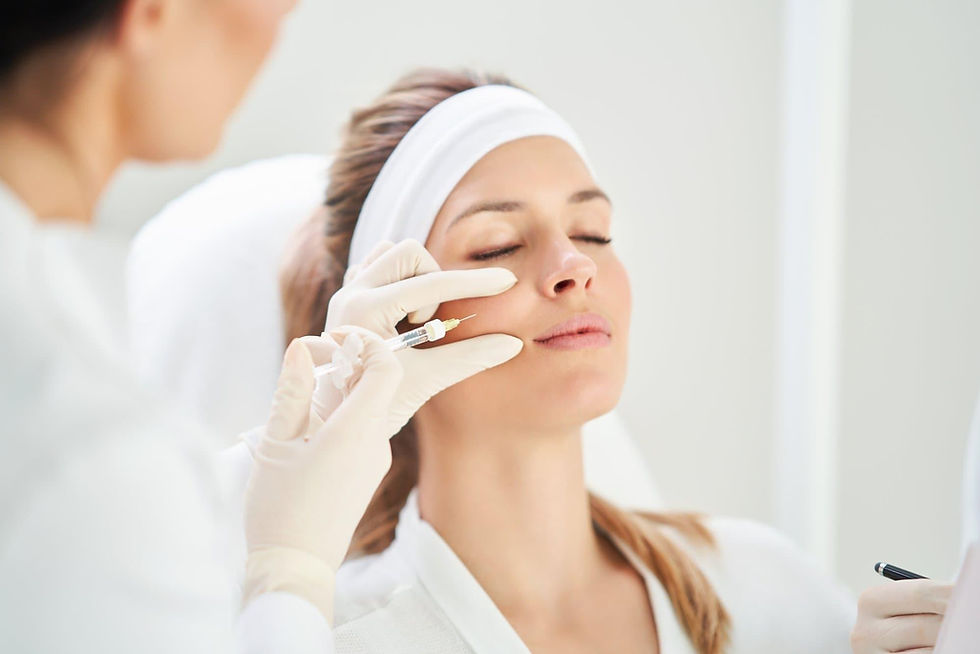
A skinbooster is injected into the dermis, the living layer beneath the surface. Instead of one deep injection into a muscle, it delivers dozens of micro droplets of hydrating or regenerative ingredients across a broad area.
Think of it as an internal moisturiser. It is not trying to change your expression or facial shape. It changes the condition of the skin itself.
Why the Skinbooster Wins for Dull Skin
Dullness is not one problem. It is usually several overlapping ones:
• Dehydration in the deeper layers, which flattens the skin surface so it scatters light instead of reflecting it
• Rough texture from a buildup of dead skin cells
• Slowing collagen production, which thins the dermis over time
• Barrier damage from UV exposure and constant air conditioning, both unavoidable in Malaysia
A skinbooster addresses each of these directly. Non cross linked hyaluronic acid holds a large volume of water in the dermis, plumping dehydrated cells so the surface becomes smoother and more reflective. Over the following weeks, the micro injuries from the injections stimulate fibroblasts to produce fresh collagen and elastin.
The clinical evidence supports this. A 2025 study published on the NIH PubMed Central database measured skin hydration objectively before and after three intradermal sessions of non cross linked hyaluronic acid and recorded a significant increase in skin capacitance, alongside improvements in texture and tone.
Where Botox Still Fits In
There is one exception worth knowing about. A technique called micro Botox, sometimes marketed as skin Botox, involves injecting heavily diluted botulinum toxin very superficially into the dermis rather than the muscle.
Placed this way, it temporarily reduces oil and sweat production and tightens the appearance of pores, producing a short lived glass skin effect. It is a real technique, but it does not hydrate the dermis or stimulate collagen, so it works best as a finishing touch rather than a fix for dull skin.
Choosing Between HA and PN Skinboosters
Once you have decided a skinbooster is the right route, the next question is which formulation. Most clinics in Malaysia work with two broad families.
HA based options for hydration and glow
These prioritise immediate moisture and a dewy finish:
1. Restylane Skinbooster. Stabilised hyaluronic acid in micro droplets, useful for fine dehydration crinkles.
2. Teosyal Redensity 1. Combines non cross linked hyaluronic acid with amino acids, antioxidants and minerals, aimed specifically at dull and uneven tone.
3. Profhilo. A high concentration formulation that bio remodels the skin, adding moisture while subtly firming looser tissue.
PN based options for repair and brightening
These prioritise cellular repair, which suits skin that is dull because it is damaged:
1. Rejuran. Polynucleotides derived from salmon DNA that rebuild a compromised skin barrier. A strong choice when dullness comes alongside acne scarring or sensitivity.
2. Plenhyage. A second generation polynucleotide product that boosts fibroblast activity in sun damaged skin.
Hybrid formulations
NCTF 135HA delivers a cocktail of revitalising ingredients alongside hyaluronic acid, while Inbiotec Amber pairs hyaluronic acid with succinic acid to tackle dehydration and stubborn pigmentation together. You can see how these sit within the wider range of aesthetic treatments available in Kuala Lumpur when planning a combined approach.
Skinbooster Price in Malaysia
Cost varies considerably depending on the formulation and the clinic. Across Malaysia, a single session of a premium skinbooster generally falls between RM 900 and RM 2,500.
At AVA Clinic, customised skin booster injection plans start from RM 1,200, with the final figure depending on which formula suits your skin. During consultation, the doctors assess whether your dullness stems from simple dehydration, structural ageing or accumulated sun damage before recommending anything, since the answer changes the product choice entirely.
Can You Do Both in One Session?
Yes, and many patients do. The two treatments are not competitors so much as different tools for different problems.
A typical combined plan looks like this:
• Botox across the upper face to soften forehead and frown lines
• A skinbooster across the cheeks and lower face to restore hydration and radiance
• Both performed in the same appointment, with no additional downtime
If your concern is genuinely dullness rather than wrinkles, though, start with the skinbooster. Adding Botox to skin that is dehydrated will not make it glow.
Frequently Asked Questions
1. How many sessions will I need to fix dull skin?
Most protocols begin with three sessions spaced roughly four weeks apart, followed by maintenance every six months. A single session helps, but the collagen response builds across the initial course.
2. How quickly will I see a glow?
Improved hydration is often noticeable within three to five days. The peak result usually appears between two and four weeks after treatment, once new collagen production is underway.
3. Is there any downtime?
Minimal. You will have small raised bumps at each injection point that look a little like mosquito bites, and these settle within 24 to 48 hours as the product absorbs into the dermis.
4. Can oily skin benefit from a skinbooster?
Yes, and it often does. Oily skin is frequently dehydrated underneath, which triggers the overproduction of sebum in the first place. Rebalancing the water content usually calms oil production rather than worsening it.
5. How long do the results last?
Between six and twelve months for most people, depending on sun exposure, home skincare and lifestyle. Daily broad spectrum sunscreen makes a measurable difference to how long the result holds.
Conclusion
For dull skin specifically, the comparison is not close. Botox is the correct answer for movement lines, and it remains excellent at that job, but it was never designed to hydrate or repair. A skinbooster works at the level where dullness actually originates, which is why it produces the change most people are hoping for when they say they want to look less tired.
The right formulation still depends on what is causing your dullness, so an assessment matters more than picking a product name off a menu. To find out which option suits your skin, book a consultation with AVA Clinic in Kuala Lumpur.


Comments