


How Safe is Skinbooster for All Skin Types?

Safety is one of the most common concerns for anyone considering an injectable skin treatment. This is especially true in Malaysia, where different skin tones, high UV exposure, humidity, acne-prone skin, and skin sensitivity can all affect how the skin responds to aesthetic procedures. If you are considering skinbooster treatment, it is natural to ask whether it is suitable for your skin type and what side effects you should expect.
The good news is that skinbooster treatments are generally considered safe for many skin types when performed by qualified medical professionals. Unlike surgical procedures, they do not require general anaesthesia or long recovery time. Most treatments use biocompatible ingredients such as hyaluronic acid, polynucleotides, vitamins, amino acids, or regenerative compounds that are designed to support hydration, repair, and skin quality.
At AVA Clinic, treatment begins with a professional assessment to ensure that the chosen product, technique, and treatment plan are suitable for your skin condition and goals.
What Is Skinbooster Treatment?
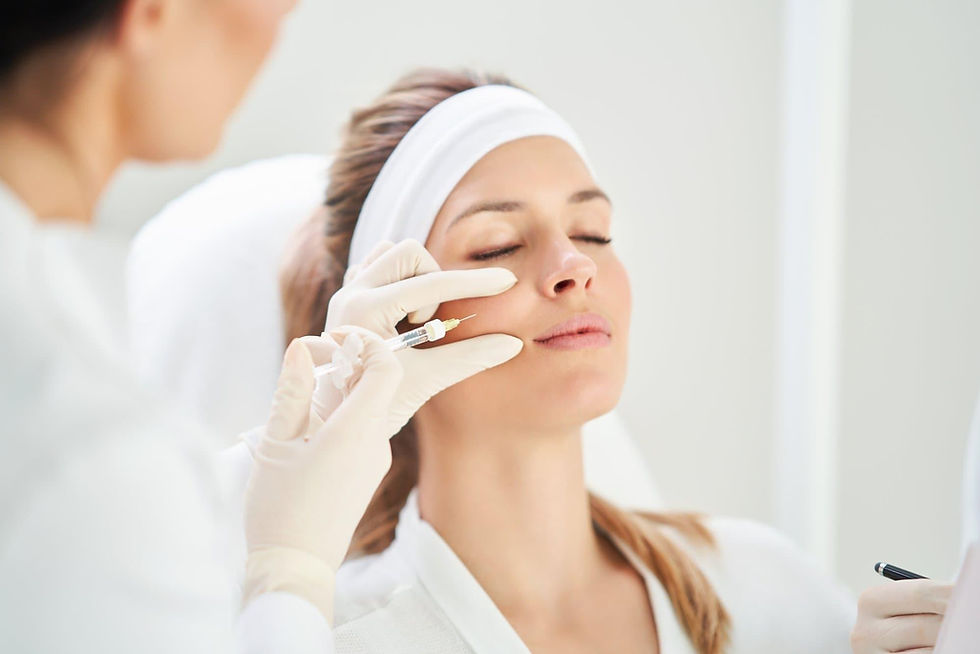
A skinbooster is an injectable treatment that improves skin hydration, elasticity, texture and radiance. Unlike dermal fillers, which are used to add volume or contour facial features, skin boosters focus on improving the quality of the skin itself.
They are commonly used for dry skin, dullness, fine lines, rough texture, enlarged pores, acne marks and early signs of ageing. Some formulas are mainly hydrating, while others focus more on repair and regeneration.
AVA Clinic’s aesthetic treatments page includes doctor-led skin improvement options such as skin boosters, polynucleotides, fillers, lasers, RF microneedling and other personalised aesthetic treatments.
Is Skinbooster Safe for Sensitive and Thin Skin?
People with sensitive or thin skin may worry that injectable treatments could cause irritation. In many cases, a carefully selected skinbooster may help support the skin barrier by improving hydration, resilience and overall skin quality.
For sensitive skin, product choice and injection technique are especially important. A doctor may recommend gentler formulas, lighter treatment spacing or adjusted injection depth to reduce the risk of irritation. Treatments that focus on hydration and repair may be useful for skin that feels dry, reactive or weakened.
However, treatment should be delayed if the skin is actively inflamed, infected, sunburned or experiencing a flare-up. A professional consultation helps determine whether the skin is ready for treatment or needs calming first.
Is Skinbooster Safe for Oily and Acne-Prone Skin?
There is a common misconception that oily skin does not need hydration. In reality, oily skin can still be dehydrated. When the skin lacks water, it may produce more oil to compensate, which can make shine and congestion worse.
A skinbooster may help oily and acne-prone skin by improving hydration balance without relying on heavy creams that may clog pores. Some regenerative formulas may also support skin repair, acne marks and enlarged pores.
However, active inflammatory acne should be assessed before treatment. If there are painful cysts, infection or severe flare-ups in the treatment area, the doctor may recommend treating acne first. Once the skin is calmer, boosters may be used to improve texture, hydration and post-acne recovery.
Is Skinbooster Safe for Darker Skin Tones?
One advantage of skinbooster treatment is that it has a relatively low risk of post-inflammatory hyperpigmentation compared with some aggressive heat-based or resurfacing procedures. This matters for Asian and darker skin tones, which may be more prone to pigmentation after inflammation.
Because the treatment uses fine injections rather than broad skin resurfacing, the risk of pigment change is usually low when performed correctly. Still, aftercare is important. Patients should avoid unnecessary sun exposure, use sunscreen daily and avoid harsh active skincare immediately after treatment.
The NHS advises using at least SPF30 sunscreen, covering up with suitable clothing and spending time in shade when the sun is strongest, which supports long-term skin protection after aesthetic treatments.
HA vs PN Skinboosters: Which Is Safer?
Different skinbooster products have different ingredients and benefits. Hyaluronic acid-based boosters focus mainly on hydration. Hyaluronic acid is naturally found in the body and helps attract water into the skin. HA-based treatments are often suitable for dryness, fine lines, dullness and early ageing.
One safety advantage of HA products is that some can be dissolved with an enzyme called hyaluronidase if necessary. This makes HA-based injectables more flexible in rare cases where adjustment is needed.
PN or PDRN-based boosters are designed to support tissue repair and skin healing. These may be suitable for acne marks, weakened skin, enlarged pores or ageing-related skin quality concerns. However, patients with known fish-related allergies should inform their doctor before receiving certain PN-based products, depending on the product source.
What Side Effects Should You Expect?
Most skinbooster side effects are mild and temporary. Common effects include redness, tiny injection marks, small bumps, mild swelling, tenderness or bruising. These usually settle within a few days.
Small bumps may appear immediately after treatment because the product has been placed in micro-droplets under the skin. These usually soften and absorb naturally over 24 to 72 hours, depending on the product and injection technique.
Less common risks include infection, prolonged swelling, unevenness, allergic reaction or irritation. These risks are reduced when treatment is performed in a clean clinical environment by trained medical professionals using authentic products.
Who Should Avoid Skinbooster Treatment?
Although skinbooster treatment is suitable for many people, it may not be appropriate for everyone. You may need to delay or avoid treatment if you have an active skin infection, cold sores in the treatment area, severe acne flare-ups, open wounds or uncontrolled skin inflammation.
Pregnant or breastfeeding patients are usually advised to postpone injectable aesthetic treatments. Patients with known allergies to specific ingredients, immune-related conditions or certain medical histories should discuss this clearly during consultation.
A safe treatment plan should always include a medical history review. Your doctor should ask about allergies, medications, previous aesthetic treatments, skin conditions and your current skincare routine before proceeding.
Why Professional Treatment Matters
The safety of skinbooster treatment depends heavily on the clinic and practitioner. Even a good product can cause problems if it is injected incorrectly, used in the wrong patient or performed in an unsafe environment.
A reputable clinic should use authentic products, maintain strict hygiene, assess your skin properly, explain possible side effects and provide clear aftercare instructions. You should also be able to ask about the product brand, batch, treatment area and expected results.
At AVA Clinic, treatments are delivered under medical guidance, with attention to safety, precision and personalised outcomes. This is important because different skin types require different treatment choices and aftercare plans. You can learn more about the clinic’s doctor-led approach through the About Us page.
How to Care for Your Skin After Treatment
Good aftercare helps reduce irritation and supports better results after skinbooster treatment. Although downtime is usually minimal, the skin still needs time to settle after micro-injections.
Helpful aftercare steps include:
Avoid touching or pressing the treated area unnecessarily.
Avoid strong actives such as retinol, AHAs and BHAs for 24 to 48 hours.
Skip saunas, hot yoga and intense workouts for a short period.
Use gentle cleanser and moisturiser.
Apply sunscreen daily.
Avoid alcohol if bruising or swelling is present.
Follow your doctor’s personalised aftercare instructions.
If you notice severe swelling, increasing pain, pus, fever or unusual prolonged lumps, contact the clinic for review.
Frequently Asked Questions
1. Can skinbooster cause lumps?
Temporary bumps are common immediately after treatment and usually settle within 24 to 72 hours. Persistent lumps should be checked by your doctor.
2. Is Botox only for women?
When performed correctly with suitable products, long-term side effects are uncommon. Most ingredients are gradually metabolised by the body over time.
3. Is it safe before a big event?
It is best to schedule treatment one to two weeks before an important event. This allows time for any redness, bumps, swelling or bruising to settle.
4. Can I get treatment if I have eczema?
If eczema is actively flaring in the treatment area, it is better to wait. Once the skin is calm, your doctor can assess whether treatment is suitable.
5. Is non-cross-linked HA safer than filler?
Non-cross-linked HA spreads more evenly for hydration and does not behave like thick structural filler. However, both treatments should still be performed by qualified professionals.
Conclusion
Skinbooster treatment is generally safe for many skin types, including dry, oily, acne-prone, sensitive and darker skin tones, when performed by qualified professionals. The key is choosing the right formula, using proper injection technique and following suitable aftercare.
Whether your concern is dryness, dullness, fine lines, enlarged pores or post-acne texture, a personalised consultation can help determine whether this treatment is suitable for you. At AVA Clinic, doctors assess your skin condition and recommend a treatment plan based on safety, skin type and desired results.
To learn whether skinbooster treatment is right for your skin, visit AVA Clinic or contact AVA Clinic to arrange a personalised consultation.


Comments