


Acne Facial for Severe Breakouts: Is It Safe and Effective?
- Apr 3
- 6 min read
Updated: May 25
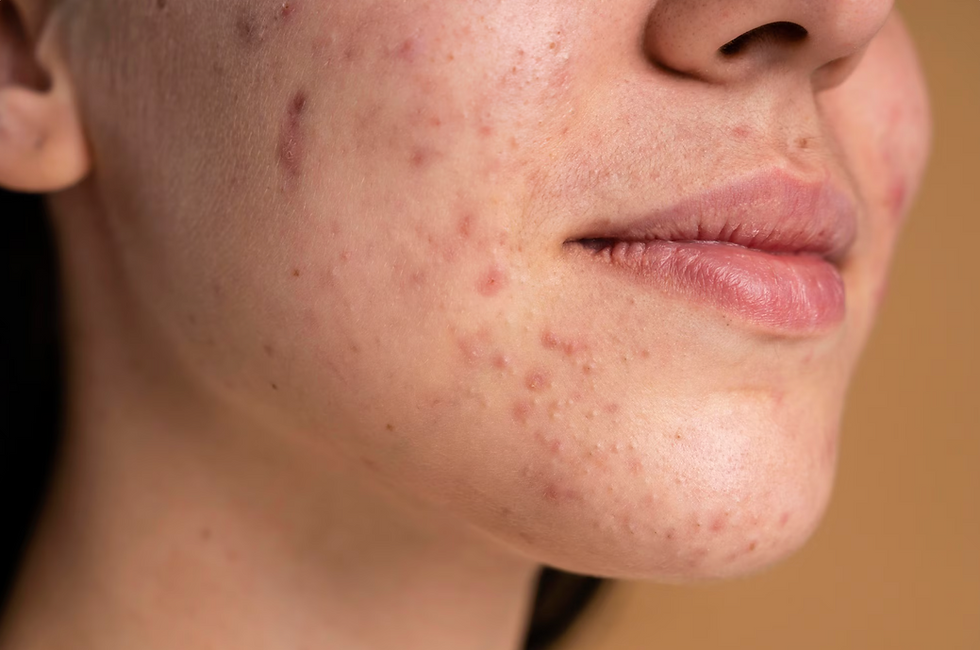
Severe acne can feel frustrating, painful, and difficult to control, especially when breakouts keep returning despite regular skincare. Acne vulgaris is a chronic inflammatory skin condition that affects the pilosebaceous units, where hair follicles and oil glands become clogged with excess sebum, dead skin cells, and bacteria. Mayo Clinic explains that acne occurs when hair follicles become plugged with oil and dead skin cells, causing whiteheads, blackheads, pimples, and sometimes painful deeper lesions.
Although acne is not life-threatening, it can affect confidence, emotional wellbeing, and overall quality of life. In Malaysia, acne is also a common concern among teenagers, young adults, and adults dealing with hormonal changes, stress, unsuitable skincare, or recurring inflammation. For people with persistent breakouts, an Acne Treatment Facial may help when it is properly assessed, professionally performed, and combined with a suitable treatment plan.
At AVA Clinic, acne care is approached with personalized consultation, so the skin condition can be reviewed by our practitioner before recommending suitable treatment options.
What Causes Severe Acne Breakouts?
Acne develops when pores become blocked and inflamed. This blockage may involve excess oil, dead skin cells, bacteria, and swelling within the follicle. When inflammation becomes deeper or more persistent, acne may appear as painful red bumps, pustules, nodules, or cyst-like lesions.
Genetics can play a role. If acne runs in the family, a person may be more likely to experience frequent breakouts. Hormonal changes are another major factor, especially during puberty, menstruation, stress, or certain medical conditions. These changes can increase oil production, making pores more likely to become clogged.
Skincare products may also worsen acne if they are too oily, heavy, or comedogenic. Some people unknowingly use cosmetics, sunscreens, or moisturisers that clog pores and trigger recurring breakouts. Certain medications may also contribute to acne flare-ups.
Diet and lifestyle can influence acne in some individuals. High glycaemic foods and dairy may aggravate breakouts for certain people, while foods rich in fibre and omega-3 fatty acids may help support healthier inflammatory balance. Stress does not directly create acne in everyone, but it can worsen existing acne by stimulating hormonal activity and increasing sebum production.
Is an Acne Treatment Facial Safe for Severe Breakouts?
An Acne Treatment Facial can be safe for severe breakouts when it is performed under professional supervision and customised to the patient’s skin condition. The key point is that severe acne should not be treated like ordinary congested skin. Aggressive extraction, harsh scrubbing, or strong products used without assessment may worsen inflammation, spread irritation, or increase the risk of marks and scarring.
A professional approach begins with proper skin analysis. At our aesthetics services page, treatment options are designed to support skin improvement through doctor-led aesthetic care. For severe acne, consultation is important because some patients may need medical treatment before or alongside facial procedures.
An Acne Treatment Facial is usually most helpful when it focuses on calming inflammation, reducing congestion, controlling excess oil, and supporting skin recovery. It should not involve forcing deep, painful acne lesions or squeezing inflamed cystic bumps. Instead, treatment should be selected based on acne severity, skin sensitivity, risk of pigmentation, and whether the skin barrier is already compromised.
Professional Acne Facial Treatments at AVA Clinic
For persistent, moderate, or severe acne, professional treatment can help reduce breakouts, control oil production, and lower the risk of future scarring. At AVA Clinic, acne treatment begins with consultation to assess the skin and create a personalised plan.
Topical and Oral Medications
Depending on acne severity, doctors may prescribe topical or oral medications. Antibiotics may be used to reduce acne-causing bacteria and inflammation. Topical retinoids may also be recommended because they help unclog pores, encourage skin cell turnover, and reduce future blockage. Mayo Clinic notes that effective acne treatments are available, although acne can be persistent and may take time to improve.
Medication may be especially important for painful, widespread, or recurrent acne because an Acne Treatment Facial alone may not fully control the underlying triggers.
Chemical Peel for Acne-Prone Skin
Chemical peels may be used as part of an acne plan, especially when the skin is oily, congested, or prone to blackheads and clogged pores. Salicylic acid is commonly used for acne-prone skin because it is oil-soluble, allowing it to penetrate into pores and sebaceous glands.
A salicylic acid peel may help dissolve excess oil and debris, remove dead skin build-up, reduce inflammation, and improve sebum control. This can support smoother skin texture and fewer clogged pores over time. However, peel strength and frequency should be chosen carefully, especially for inflamed or sensitive skin.
Argon Plasma Therapy
Argon plasma therapy may be used for its antibacterial benefits. When argon gas is converted into plasma, it produces reactive particles that can weaken and disrupt acne bacteria at a cellular level. This may help improve inflammatory acne lesions while reducing reliance on antibiotics in suitable cases.
For patients who are concerned about repeated antibiotic use, argon plasma may be discussed as part of a broader acne management plan. However, suitability depends on the condition of the skin and should be assessed professionally.
Blue and Red Light Therapy
Light therapy is another option for acne-prone skin. Blue light targets acne-causing bacteria because these bacteria contain substances that react to blue light. When exposed to the correct wavelength, this reaction can help destroy bacteria from within.
Red light penetrates deeper into the skin and may help reduce inflammation, improve circulation, support tissue recovery, and encourage healing. A combination of blue and red light therapy may be useful for active acne and post-acne recovery.
When added to an Acne Treatment Facial, light therapy can support clearer skin without harsh physical irritation. This is especially helpful for patients whose skin is inflamed, reactive, or prone to post-inflammatory pigmentation.
Diode Laser Treatment
Diode laser treatment may help reduce sebaceous gland activity, which can lower excessive oil production. Since excess sebum is one of the main contributors to acne formation, reducing oil output may help minimise future breakouts.
This treatment may be suitable for selected patients with oily skin and recurring acne, but it should be recommended only after consultation. Severe acne may require a combination of methods rather than relying on one treatment alone.
Benefits of Acne Treatment Facial for Breakouts
A professionally planned Acne Treatment Facial may offer several benefits for acne-prone skin. It can help reduce active pimples and inflammation, minimise clogged pores and blackheads, control excess oil, and support healthier skin recovery. It may also help fade post-acne marks and improve uneven skin texture over time.
Another benefit is that professional treatment can reduce the temptation to pick or squeeze acne at home. Improper squeezing may worsen inflammation, increase infection risk, and leave stubborn pigmentation or scars. With trained care, the skin can be treated in a safer and more structured way.
An Acne Treatment Facial also gives patients the opportunity to understand their skin better. Many breakouts are worsened by unsuitable skincare routines, over-cleansing, harsh exfoliation, or skipping moisturiser and sunscreen. During consultation, patients can receive guidance on products and habits that support long-term acne control.
Who Should Consider Professional Acne Care?
Professional acne care is recommended when breakouts are persistent, painful, spreading, leaving marks, or not improving with over-the-counter skincare. It is also suitable for people who experience repeated clogged pores, oily skin, blackheads, inflamed pimples, or early signs of acne scarring.
People with severe acne should seek professional help early because prolonged inflammation can increase the risk of scars. Cleveland Clinic notes that cystic and nodular acne can lead to permanent skin damage in the form of scarring.
An Acne Treatment Facial may be part of the solution, but the best results usually come from a personalized plan that combines skincare, lifestyle changes, medical treatment, and professional procedures where needed.
Frequently Asked Questions
1. What causes acne vulgaris?
Acne vulgaris occurs when hair follicles become clogged with excess oil, dead skin cells, and bacteria. Hormones, genetics, stress, diet, and unsuitable skincare products may also contribute to breakouts.
2. Is acne only a teenage problem?
No. Acne is common among teenagers, but adults can also experience acne due to hormonal changes, stress, lifestyle factors, and genetics.
3. Can food worsen acne?
Yes, for some individuals. High glycaemic foods and dairy products may trigger or worsen acne. A balanced diet with fibre and omega-3 fatty acids may help support healthier skin.
4. What skincare routine is best for acne-prone skin?
A gentle routine is usually best. Use a mild cleanser, non-comedogenic moisturiser, and daily sunscreen. Avoid harsh scrubbing, over-cleansing, and heavy pore-clogging products.
5. When should I seek professional treatment?
You should seek professional care if acne is painful, persistent, leaving scars, causing dark marks, or not improving with regular skincare.
Conclusion
An Acne Treatment Facial can be safe and effective for severe breakouts when it is done with proper consultation, suitable techniques, and professional supervision. Severe acne should not be treated aggressively or casually because inflamed skin is more vulnerable to irritation, pigmentation, and scarring.
At AVA Clinic, acne care may include medical guidance, chemical peels, argon plasma therapy, light therapy, diode laser treatment, and personalized skincare advice depending on the patient’s condition. The goal is not only to clear existing breakouts, but also to reduce future flare-ups and support healthier skin in the long term.
Clearer skin is possible with the right plan. To begin your acne treatment journey, visit AVA Clinic or contact us to book a consultation and receive a treatment plan tailored to your skin concerns.


Comments