


Updated: May 25
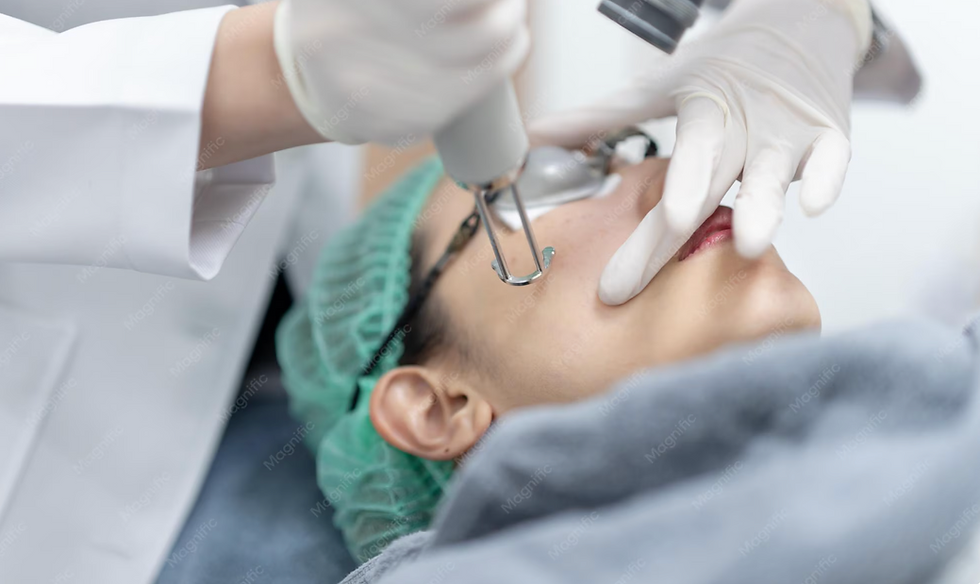
Acne scars can affect more than skin texture. For many people, they also affect confidence, makeup application, and the way light reflects on the face. In Malaysia, where many people have medium to deeper skin tones, acne scar treatment needs to be chosen carefully to reduce the risk of irritation, post-inflammatory hyperpigmentation, and unnecessary downtime.
Pico Laser has become a popular option for acne scars because it is designed to improve skin texture without removing the top layer of the skin in the same way as traditional ablative lasers. At AVA Clinic, patients can explore doctor-led aesthetic treatments that are tailored according to skin condition, scar type, and individual concerns.
What Causes Acne Scars?
Acne is a chronic inflammatory condition involving the pilosebaceous unit, which includes the hair follicle and oil gland. When acne becomes inflamed, especially in deeper or more severe breakouts, the surrounding skin tissue may become damaged. If the inflammation is prolonged, untreated, or repeatedly triggered, the skin may heal unevenly and leave scars behind.
Scarring is part of the body’s natural wound-healing process. When the skin repairs damaged tissue, fibrous tissue may replace normal skin structure. This can lead to different scar patterns. Atrophic scars are sunken or depressed scars and are the most common type of acne scars. Hypertrophic scars are raised scars caused by excess collagen. Keloid scars are raised scars that extend beyond the original acne lesion.
According to the American Academy of Dermatology, acne scar treatments may include procedures such as laser treatments, fillers, microneedling, chemical peels, and other methods depending on the scar type and severity. Different scar types often need different treatment approaches, which is why proper consultation is important.
What Types of Acne Scars Can Develop?
Acne scars are not all the same. Understanding the type of scar helps determine whether Pico Laser is suitable on its own or whether combination treatment may be needed.
Boxcar scars are round or oval depressions with more defined edges. They may be shallow or deep, depending on how much tissue has been lost. Rolling scars are wider depressions with sloping edges that create a wavy, uneven appearance across the skin. Ice pick scars are narrow but deep scars that extend into the dermis, often appearing like small punctures.
Hypertrophic and keloid scars are raised scars caused by excess collagen during healing.
In general, fractional laser-based treatments are often more suitable for shallow to moderate atrophic scars, rough skin texture, enlarged pores, and uneven skin tone. Deeper ice pick scars may require combination treatments such as subcision, TCA CROSS, microneedling, radiofrequency, or other procedures depending on the doctor’s assessment.
Does Pico Laser Work for Acne Scars?
Pico Laser can help improve the appearance of acne scars, especially when the scars are mild to moderate and linked to uneven texture, shallow depressions, enlarged pores, or post-acne marks. It does not “erase” scars instantly, but it can support gradual skin remodelling by stimulating collagen production and encouraging healthier skin renewal.
Unlike ablative lasers, such as some CO2 laser treatments, Pico Laser does not work by vaporising the skin surface. Instead, it delivers ultra-short pulses of energy into the skin. This creates a photomechanical effect that helps stimulate skin repair with less surface injury. AVA Clinic describes its picolaser treatment as using short picosecond pulses that create photoacoustic effects and micro-cavitation within the skin, supporting collagen and elastin stimulation.
This makes the treatment appealing for people who want improvement but prefer shorter downtime. However, results depend on scar type, scar depth, skin response, acne control, treatment settings, and the number of sessions completed.
How Fractional Pico Laser Improves Acne Scars
Fractional Pico Laser works by delivering laser energy in tiny focused spots. These controlled treatment zones affect the epidermis and dermis without causing broad damage to the surrounding tissue. The laser energy may create laser-induced optical breakdown and laser-induced cavitation, which form tiny microscopic changes beneath the skin.
In simple terms, the laser creates very small invisible treatment zones below the surface. These zones activate the skin’s repair response. As the skin heals, it may produce new collagen, increase elastin support, improve firmness, and remodel uneven scar tissue over time.
This is important for acne scars because many depressed scars are caused by a loss or distortion of collagen in the dermis. When collagen remodelling improves, the skin may appear smoother, firmer, and more even. The improvement is usually gradual rather than immediate because collagen formation takes time.
Pico Laser may also improve other concerns that often appear together with acne scars, including enlarged pores, dullness, uneven tone, rough texture, and post-inflammatory pigmentation. AVA Clinic’s picolaser page lists acne scars, enlarged pores, pigmentation, acne, wrinkles, and rejuvenation among its treatment benefits.
Why Is Pico Laser Popular in Malaysia?
Malaysia’s climate and common skin profiles make acne scar treatment more complex. Heat, humidity, sweating, oily skin, and frequent sun exposure can contribute to acne flare-ups and pigmentation concerns. Many Malaysian patients also have skin tones that are more prone to post-inflammatory hyperpigmentation after aggressive treatment.
For this reason, non-ablative treatment options are often preferred by patients who want less downtime. Mayo Clinic notes that non-ablative laser resurfacing approaches generally have milder and less likely side effects compared with ablative methods, although side effects can still occur.
This does not mean Pico Laser is risk-free. Redness, mild swelling, dryness, temporary roughness, sensitivity, or pigmentation changes may still occur, especially if aftercare is poor or settings are unsuitable. This is why treatment should be performed by qualified professionals using appropriate settings for the patient’s skin type.
At AVA Clinic’s Pico Laser treatment page, our clinic highlights personalised treatment and professional consultation, noting that skin conditions should be carefully analysed before treatment.
How Many Sessions Are Needed?
Most people need more than one session. A common treatment plan may involve three to six sessions, spaced several weeks apart. Mild texture concerns may improve earlier, while deeper or older scars may need more sessions or combination treatments.
Patients should understand that scar improvement is gradual. Some may notice smoother skin within a few weeks, but collagen remodelling continues over several months. The best results usually appear after a series of treatments rather than a single session.
It is also important to control active acne before focusing fully on scars. New breakouts can create new inflammation and new scars, which may affect long-term results. A doctor may recommend acne control, skincare adjustment, sunscreen, or combination treatment before starting a full scar programme.
What Should You Expect After Treatment?
Downtime is usually shorter than traditional ablative lasers. After treatment, the skin may appear red, slightly swollen, warm, dry, or rough for a few days. Some patients describe the texture as similar to sandpaper while the skin renews.
Aftercare is essential. Patients should avoid harsh skincare such as retinoids, exfoliating acids, scrubs, and strong brightening products for about a week or as advised by the doctor. Daily sunscreen is very important because treated skin may be more sensitive to sunlight. Poor sun protection can increase the risk of dark spots, especially in Malaysia’s sunny climate.
Patients should also avoid picking, scratching, or over-exfoliating the skin. Gentle cleansing, moisturising, and sun protection help support recovery and reduce irritation.
Frequently Asked Questions
1. What is a fractional Pico laser?
A fractional Pico laser is a skin treatment that uses ultra-short laser pulses delivered in tiny focused spots. It creates microscopic treatment zones in the skin to stimulate collagen production and skin remodelling.
2. How does it help acne scars?
It helps by triggering the skin’s natural healing response. Over time, new collagen may form, helping to smooth depressed scars, refine rough texture, and improve overall skin quality.
3. What types of acne scars respond best?
Rolling scars, boxcar scars, mild to moderate shallow atrophic scars, enlarged pores, and rough texture may respond well. Deep ice pick scars may require combination treatments for better results.
4. Is the treatment painful?
Most patients describe the sensation as mild to moderate discomfort, similar to tiny snaps or heat on the skin. A numbing cream may be applied before treatment to improve comfort.
5. Is Pico Laser safe for darker skin tones?
It is often considered suitable for a wider range of skin tones because it relies less on heat than some older laser methods. However, safety depends on proper settings, correct diagnosis, and professional treatment.
Conclusion
Pico Laser can be an effective option for acne scars in Malaysia, especially for patients who want visible improvement in skin texture with less downtime than more aggressive resurfacing treatments. It works best when the treatment is personalised according to scar type, skin tone, acne activity, and overall skin condition.
However, it should not be viewed as a one-session miracle treatment. Acne scars often require a structured plan, multiple sessions, good skincare, sun protection, and sometimes combination procedures. For the safest and most suitable approach, it is best to consult a qualified aesthetic medical team.
To learn whether this treatment is right for your skin, visit AVA Clinic’s aesthetics services page or contact us to arrange a consultation.


